 DIRECTOR'S VOICE
Sae
Yusaku Mizoguchi
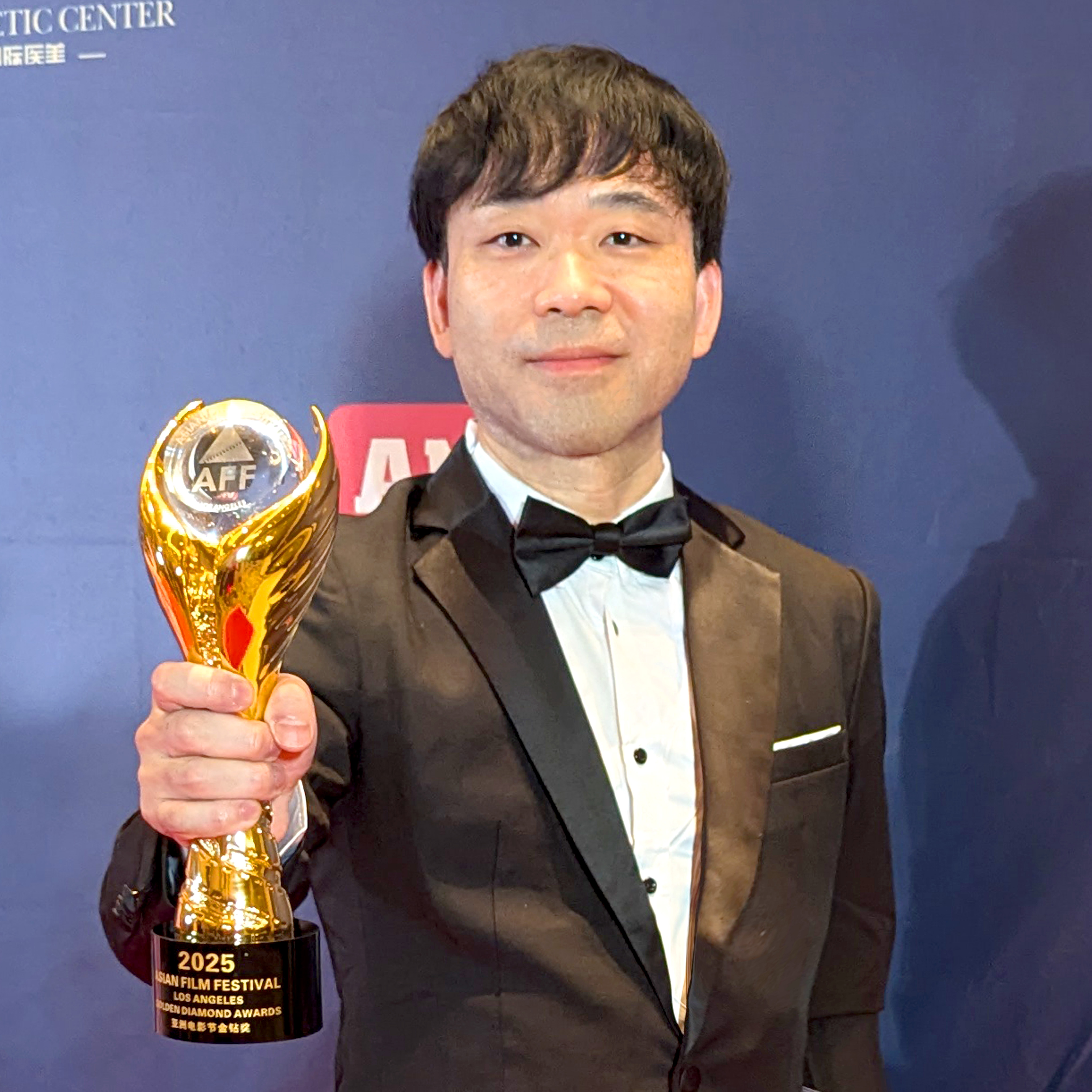
1. The Creator & The Creation
My name is Yusaku Mizoguchi, and I am a director-writer based in Los Angeles.
I have directed two feature films in the United States so far, "Mafiosa" and "Sae", which have received major international awards, including Best Director Award at the City of Angels Film Festival and Best Feature Film Award at Asian Film Festival Los Angeles, along with numerous festival nominations. My approach to filmmaking builds intensity through layered performances, bold visual language, and realism. I focus on creating powerful moments that stay with audiences, not just through spectacle but through the emotional depth of the characters' journeys.
I was born and raised in Tokyo, where I first fell in love with American New Wave Cinema from 1960s to early 1980s as a way to understand people very different from myself. That passion led me to study filmmaking at New York University and Columbia College Chicago before building my career in Los Angeles, working in production across major studios such as Warner Brothers, Disney and other production companies. Those experiences taught me how to balance artistic vision with practical filmmaking, and how collaboration can transform a personal story into something universal.
My latest film, "Sae", reflects my own journey between cultures. It follows a Japanese female artist in Los Angeles navigating class/gender barriers, loneliness, and hope. Through her story, I wanted to explore resilience - the quiet strength people discover when they refuse to give up on their voice.
"Sae" LOGLINE
A young Japanese artist, Sae, finds her world turned upside down by tragedy in the dazzling yet unforgiving city of Los Angeles. Lost and alone in the aftermath, she discovers inner strength as she pursues her artistic dreams.
The spark for "Sae" came from a very personal place. As a Japanese filmmaker living and working in Los Angeles, I've always been fascinated by the emotional space between two cultures-the moment when you leave everything familiar behind and try to build a life in a new world. I saw many first-generation immigrants, artists especially, struggling quietly with loneliness, identity, and survival while still holding on to their dreams. That emotional reality stayed with me, and I wanted to tell a story about that inner battle.
Another inspiration was my own journey through the film industry in the US. Coming from Tokyo to study filmmaking in the U.S., and later working my way through major studios in Los Angeles, I experienced how difficult it can be to find your voice in a gigantic corporate system. I was drawn to characters who stay true to themselves even when society pushes them in another direction, because there is something deeply human in that resistance.
However, the film itself is not autobiographical. As a narrative filmmaker, one of the greatest advantages and pleasures of my work is building a character entirely from scratch and allowing that character to lead the story. That is why the protagonist is a young woman, whose journey is distinct from my own. However, her perspective, emotional landscape, and certain experiences inevitably overlap with my life, not as direct translation, but as emotional truth. Over the years, I've learned that this balance between distance and personal resonance is what allows a story to feel authentic while remaining universal.
In the end, the film became a way for me to process my own questions about belonging. It is not just a story about one woman, but about anyone who has crossed a border-geographic or emotional-and tried to hold onto their identity while building a new life.
OFFICIAL TRAILER
2. Theme: Peace and Innovation

Behind The Scenes - "Sae"
I truly believe that films can create peace mental, cultural, and even political. Early in my career, when I was directing documentaries, I focused on real people who devoted their lives to social change, such as Wangari Maathai, Dalai Lama, and Cesar Chavez. Those experiences taught me how to listen deeply to human intention, to silence, and to truth. They also showed me that peace is rarely dramatic; it is built quietly, through empathy and perseverance.
That philosophy shaped, "Sae". The film is about a young immigrant artist in Los Angeles who struggles with identity, class divides, and gender expectations. I have always been drawn to characters who hold onto their convictions even when society pressures them otherwise, because that resistance reflects something deeply human. In Sae's journey, peace is not the absence of hardship, it is the inner clarity she discovers when she accepts who she is and continues to create.
The film also speaks to social peace. By showing the invisible struggles of immigrants and women navigating contemporary America, I hope audiences can see each other with more compassion. That quiet resilience, the ability to remain kind, creative, and hopeful despite adversity is, to me, the essence of peace.
If a film can help someone feel understood, or help two cultures see each other more clearly, then for a moment we share a peaceful smile. That is the highest goal of my storytelling.
Innovation is essential to cinema. Compared to painting, theater, or music, filmmaking has only about a century of history. If we stop innovating in storytelling, production methods, and audience experience, cinema risks losing its vitality, especially at a time when streaming platforms are already threatening theatrical culture. For me, innovation is not about technology alone; it is about finding new emotional honesty in familiar tools.
The biggest challenge in "Sae" was creating a deeply authentic immigrant story on a budget we have while maintaining cinematic scale. Drawing from my earlier documentary work and my training in martial arts, I approached filmmaking as a discipline of patience and attention. Martial arts taught me rhythm and intention in actors' movements. Fishing taught me to prepare as much as you can, but wait for the right moment instead of forcing it. Cooking taught me balance, how different elements must harmonize to create something memorable. These ideas guided how I worked with cast and crew to build naturalistic scenes that still carried dramatic weight.
Another innovation was structural. I wanted the film to feel intimate yet universal, so we blended documentary-style observation with carefully composed visual storytelling. My background working across studio and independent productions in Los Angeles helped me design a workflow that was flexible but precises, real locations, and performances shaped through discussion and improvisation. That approach allowed us to capture emotional truth without losing cinematic craft.
Ultimately, innovation in "Sae" was about empathy. The film explores identity, class divides, and resilience, themes I have been drawn to since my early work and personal journey between Tokyo and Los Angeles. By experimenting with form while staying grounded in human experience, I hoped to create a film that feels timeless yet contemporary, one that reminds us that cinema's future depends on our willingness to keep exploring new ways to tell honest stories.
3. Connection with Japan

Growing up in Tokyo, Japanese cinema shaped my visual language long before I understood filmmaking as a profession. I was deeply influenced by the dynamic framing and precise blocking of Akira Kurosawa, which taught me how movement within the frame can express psychology and power. From Yoji Yamada, I learned the beauty of intimate character portrayal, the quiet humanity in everyday life. And the vivid set design and emotional intensity of Hideo Gosha showed me how stylization can deepen drama rather than distract from it.
These influences connect naturally with my upbringing in martial arts. I grew up practicing Karate, Judo, Kendo, Muay Thai, Kung Fu, Jeet Kune Do, and samurai sword choreography. Martial arts trained me to think about rhythm, spatial awareness, and emotional intention in movement, ideas that directly inform how I direct actors and design scenes with a camera. Even in quiet dialogue, I think about posture, distance, and energy between characters.
Living and working in Los Angeles, I try to blend this Japanese sensibility with Western storytelling. My films often explore identity, migration, and resilience, subjects shaped by my own journey between cultures. Whether in "Sae" or earlier works, I hope audiences can feel that balance: disciplined composition rooted in Japanese cinema, combined with contemporary, multicultural stories about people searching for connection and belonging.
I would most like to meet Japanese producers, directors, and actors who are interested in building bridges between Japan and the international film community, as well as engage directly with Japanese audiences.
Living and working in Los Angeles, I am always searching for meaningful co-productions and creative collaborations that connect the storytelling traditions of Japan with the cinematic scale of Hollywood. I would love to exchange ideas with fellow filmmakers about new ways to tell Japanese stories globally, while learning how audiences in Japan respond emotionally to films like Sae.
For me, festivals are not only about screenings, but about conversations, friendships, and the beginning of future films. I would be honored to reconnect with the creative community in Tokyo and continue building those artistic bridges together.
4. Message
I don't believe a director can completely control what an audience feels. Each person brings their own memories, hopes, and wounds into a theater. As Quentin Tarantino once said, "If a million people see my movie, I hope they see a million different movies".
However cinema changed my life. Watching films when I was young showed me new worlds and gave me courage to pursue filmmaking in the US.
Ultimately, I hope audiences walk away with compassion, and maybe a quiet sense of hope that their own struggles can lead to strength and understanding.
My biggest advice is to focus on developing your own voice and style as a filmmaker, and not wait for permission. Don't wait for the perfect budget or for someone to hand you an opportunity, make the film you need to make now and put your work into the world. That process is how you prove yourself and begin to build momentum.
I also believe in following intuition and constantly challenging yourself. Like Stanley Kubrick, I explore different genres with each film, letting intuition guide me every step of the way. Each project pushes me beyond my comfort zone, sparking growth and keeping creativity alive.
Your first feature may not be perfect, but it must exist. Creating it sets you in motion, and that momentum is what ultimately shapes you as a filmmaker.
日本語訳
1. クリエイターと作品について
溝口友作と申します。ロサンゼルスを拠点とする映画監督・脚本家です。これまでに長編映画2本「Mafiosa」と「Sae」をアメリカで監督し、シティ・オブ・エンジェルズ映画祭での最優秀監督賞やアジアン・フィルム・フェスティバル・ロサンゼルスでの最優秀長編映画賞など、数多くの国際的な賞を受賞するとともに、多数の映画祭でノミネートされてきました。私の映画制作へのアプローチは、重層的な演技、大胆なビジュアル表現、そしてリアリズムを通じて緊張感を高めることにあります。派手なスペクタクルだけでなく、登場人物の自然かつ感情的な深みを通じて、観客の心に残る真実の瞬間を生み出すことを全作品で心がけています。
私は東京で生まれ育ち、アメリカで1980年代初頭までに制作されたアメリカンニューシネマを子供の頃によく観て育ちました。それは成長する過程で自分とはまったく異なる人々を理解するための手段でした。その映画への情熱でアメリカへ留学し、ニューヨーク大学とシカゴのコロンビア大学での映画監督コースでの学びへとつながり、やがてロサンゼルスの映画業界でのキャリア構築へと発展しました。ワーナー・ブラザーズやディズニーをはじめとする大手スタジオや制作会社でのプロダクション経験を通じて、芸術的なビジョンと実践的な映画制作のバランスの取り方、そしてコラボレーションがいかに個人的な物語を普遍的なものへと変え得るかを学びました。
最新作「Sae」は、文化の間を行き来してきた私自身の旅の一部も反映しています。ロサンゼルスに暮らす日本人女性アーティストが、階級や性別の壁、孤独、そして希望と向き合いながら生きていく物語です。彼女の物語を通じて、私がテーマとして探求したかったのは人間の回復力、すなわち自らの声を諦めることを拒んだとき、人が静かに発見する強さです。
「Sae」ログライン
華やかでありながら現実は厳しい都市ロサンゼルスで、若き日本人アーティストの彩永は、ある悲劇によって世界が一変してしまう。その後の混乱の中で孤独に迷い込んだ彼女は、芸術の夢を追い求めながら、やがて内なる強さを見出していく。
「Sae」が生まれたきっかけは、非常に個人的なものです。ロサンゼルスで生活し、活動する日本人映画監督として、私はずっと、慣れ親しんだ日本でのすべてのものを後にして、新しい世界で人生を築こうとするという二つの文化の間に存在する感情的な空間に魅了されてきました。今までアメリカで多くの第一世代の移民たちが、夢を抱き続けながらも、孤独、アイデンティティ、そして生き延びることと静かに格闘している姿を目にしてきました。その感情的な現実が私の中に留まり続け、その内なる思いや葛藤についての物語を語りたいと思うようになりました。
もう一つのインスピレーションは、アメリカの映画業界における私自身の歩みです。映画制作を学ぶために東京からアメリカへ渡り、後にロサンゼルスの大手スタジオへと道を切り開いていく中で、巨大なスタジオシステムの中で自分の声を見つけることがいかに困難かを身をもって経験しました。社会が別の方向へと押し流そうとする中でも自分自身に忠実であり続けるキャラクターに惹かれたのは、その抵抗の中に深く人間的なものがあると感じたからです。
しかし、この映画「Sae」は自伝的なものではありません。映画監督として、私の仕事における最大の利点であり喜びの一つは、キャラクターをまったくゼロから構築し、そのキャラクターに物語を導かせることです。だからこそ主人公は若い女性であり、彼女の歩みは私自身のものとは異なります。それでも、彼女の視点、感情、そして特定の経験は、私の人生と不可避的に重なり合っています。直接的な翻訳としてではなく、感情的な真実として。長年の映画制作の経験を通じて、個人的なストーリーとキャスト・スタッフとのバランスこそが、物語を普遍的なものに保ちながら本物らしく感じさせるものだと学んできました。
これは一人の女性の物語ではなく、地理的であれ感情的であれ、ある境界を越え、新しい人生を築きながら自らのアイデンティティを守ろうとした、あらゆる人々の物語です。
2. テーマ:平和と革新
私は、映画が平和を生み出すことができると心から信じています。精神的な平和、文化的な平和、そして政治的な平和さえも。駆け出しの頃、ドキュメンタリーを監督していた時期もあったのですが、私はワンガリ・マータイ、ダライ・ラマ、セサール・チャベスなど社会変革による世界平和に生涯を捧げた実在の人々にインタビューしたりフォーカスしていました。それらの経験は、人間の意図、沈黙、真実に深く耳を傾けることを教えてくれました。また、平和とはほとんどの場合ドラマチックなものではなく、共感と忍耐を通じて、静かに築かれるものだということも示してくれました。
その哲学が「Sae」を形作りました。この映画は、ロサンゼルスで生きる日本人留学生・アーティストが、アイデンティティ、階級の分断、そしてジェンダーのギャップの中で奮闘する物語です。私はずっと、社会が別の方向へと圧力をかけてきても、自らの信念を持ち続けるキャラクターに惹かれてきました。その抵抗心の中に、深く人間的なものが宿っているからです。
この映画はまた、社会的な平和についても語っています。現代のアメリカを生きる移民や女性たちの見えない闘いを描くことで、観客がお互いをより深い思いやりを持って見られるようになることを願っています。逆境にもかかわらず、親切で、創造的で、希望に満ちたまま在り続ける力、その静かな人間としての回復力こそが、私にとって平和の本質です。
もし一本の映画が、他人を理解する心を与えることが出来るなら、あるいは二つの文化が互いをより明確に見つめ合う助けとなれるなら、その瞬間、私たちは平和な笑顔を共有することが出来ると思います。それが私が毎回映画を監督する時に目指していることです。
映画にとって、革新は不可欠です。絵画、演劇、音楽と比べて、映画制作の歴史はわずか約一世紀に過ぎません。もし私たちがストーリーテリング、制作手法、そして観客体験における革新を止めてしまえば、映画業界は滅びてしまうでしょう。特に、ストリーミングがすでに劇場文化を壊してしまった今の時代においては。私にとって革新とは、テクノロジーだけの問題ではありません。それは、馴染みあるツールの中に新たな感情的誠実さを見出すことです。
「Sae」における最大の挑戦は、限られた予算の中で映画的なスケールを保ちながら、リアリティーのある留学生・移民の物語を作り上げることでした。私は幼少からの武道の修練、また趣味の釣り、料理など実生活から学んだことを活かし、映画制作を忍耐と集中力の訓練と捉えてアプローチしました。武道は俳優の動きにおけるリズムと意図を教えてくれました。釣りは、できる限り準備を尽くしながらも、無理に引き出そうとせず、正しい瞬間を待つことを教えてくれました。料理は、異なる食材が調理法によってどのように調和して味を生み出すかという、バランスの感覚を教えてくれました。これらの考えが、キャストとスタッフとともに、劇的な重みを持ちながらも現実感のあるシーンを構築していく上での指針となりました。
もう一つの革新は、構造的なものでした。シーン内のキャラクター達を親密でありながら普遍的なものに感じさせたかったため、ドキュメンタリースタイルの撮影方法と、丁寧に構図を設計したビジュアルストーリーテリングを融合させました。ロサンゼルスでスタジオと独立系プロダクションの両方で働いてきた経験が、柔軟でありながら精緻なワークフローを設計する助けとなりました。実際のロケーション、そしてディスカッションと即興を通じて形作られた演技。そのアプローチが、映画的な技巧を失うことなく感情的な真実を捉えることを可能にしてくれました。
最終的に「Sae」における革新は観客の共感についてのものでした。この映画はアイデンティティ、階級の分断、そして人間の回復力を探求しています。人間的な経験に根ざしながらも映画のストーリーテリングの手法を実験することで、時代を超えながらも現代的な映画を作りたいと願いました。映画業界の未来は、誠実な物語を伝える新たな方法を探求し続ける意志にかかっているということを、私たちに思い起こさせてくれるような映画を作ったつもりです。
3. 日本との繋がり
東京で育った私にとって、映画制作を職業として意識するよりもずっと前から、日本の映画監督から多大な影響を受けていました。黒澤明監督のダイナミックなフレーミングと精緻なブロッキングに深く影響を受け、フレーム内の動きがいかに心理や力関係を表現できるかを学びました。山田洋次監督からは、親密なキャラクター描写の美しさ、日常の中に宿る静かな人間性を学びました。そして五社英雄監督の鮮やかな美術デザインと力強い演出は、様式化がドラマから気を逸らすのではなく、むしろ深める力を持つことを示してくれました。
これらの影響は、武道を通じた私の成長と自然に結びついています。私は空手、柔道、剣道、ムエタイ、カンフー、ジークンドー、そして殺陣を幼い頃から修練してきました。武道は、リズム、間合い、そして動きにおける意図について考えることを鍛えてくれました。それは俳優の演出やカメラを使ったシーンのデザインに直接活かされています。静かな対話シーンでさえ、キャラクターの姿勢、距離、そしてエネルギーについて考えています。
ロサンゼルスで生活し、活動する中で、私はこの日本的な感性と西洋のストーリーテリングの融合を常に考えています。私の映画はしばしばアイデンティティ、異文化の中での葛藤、そして回復力を探求しますが、それらは文化の間を行き来してきた私自身の旅によって形作られたテーマです。「Sae」においても、それ以前の作品においても、観客にそのバランスを楽しんでもらうことを願っています。
私が最もお会いしたいのは、日本と国際的な映画界の間に橋を架けることに関心を持つ日本のプロデューサー、そして俳優の方々です。そして、日本の観客の皆さんと直接交流できることを楽しみにしています。
ロサンゼルスで生活し活動する中で、私は常に、日本とハリウッドの映画的スケールを結びつける、意義深い共同制作や創造的なコラボレーションを探し求めています。日本の物語を世界へ向けて新たに伝える映画人たちと交流しながら、日本の観客が「Sae」のような映画に感情的にどう反応するかを学ばせていただきたいと思っています。
私にとって、映画祭はただ上映するだけの場ではありません。会話が生まれ、コラボレーションが始まり、友情が育まれ、そして未来の映画が始まる場所です。東京のクリエイティブコミュニティと再びつながり、映画祭が芸術的な橋を築き続けていけることを、心より光栄に思います。
4. メッセージ
私は映画監督が観客の感情を完全にコントロールできるとは思っていません。それぞれの観客が、自分自身の経験、記憶、希望、そして心の傷を劇場に持ち込んでくるからです。クエンティン・タランティーノ監督は「もし百万人の人々が私の映画を観るなら、百万通りの異なる映画を観てほしい」と言っていました。
しかし、映画は私の人生を変えました。若い頃に映画を観ることで、大人の世界や異世界を教えてもらい、アメリカへ行って映画監督になる勇気をもらいました。
最終的に、私の映画を観た観客に他人への思いやりを持って帰ってもらえたら、また自分自身の苦難を強さへ変えられる希望を少しでも感じてもらえたら本望です。
決して偉そうなことを言える立場ではないですが、私から映画監督を目指す皆さんへのアドバイスは、作品を実際に作ることで自分自身の監督としてのスタイルを磨くことに集中し、誰かの許可を待たないことです。完璧な予算が整うのを待ったり、誰かがチャンスを与えてくれるのを待ったりしないでください。幸運にもチャンスをもらえることが稀にありますが、結局頼れるのは自分だけです。今、作ることが出来る映画の為に行動し、作品を世に送り出し続けてください。そのプロセスこそが、自分自身を証明し、次の作品への勢いを築き始める方法です。
また、直感に従い、常に自分自身に挑戦し続けることが大切だと信じています。スタンリー・キューブリック監督もそうでしたが、私は作品ごとに異なるジャンルを探求し、すべての映画制作過程において現在の直感に導かれるままに行動します。各作品は私をコンフォートゾーンの外へと押し出し、成長を促し、創造性を刺激し続けてくれます。
あなたの初めての短編または長編映画は完璧ではないかもしれません。しかし、映画監督として、あなたの作品のみが、観客とコミュニケーションの出来る手段です。完成作品を上映した結果、次の作品が動き出し、その勢いこそが最終的にあなたを映画監督として形作っていくと思います。