
Mirage
Rikke Benborg
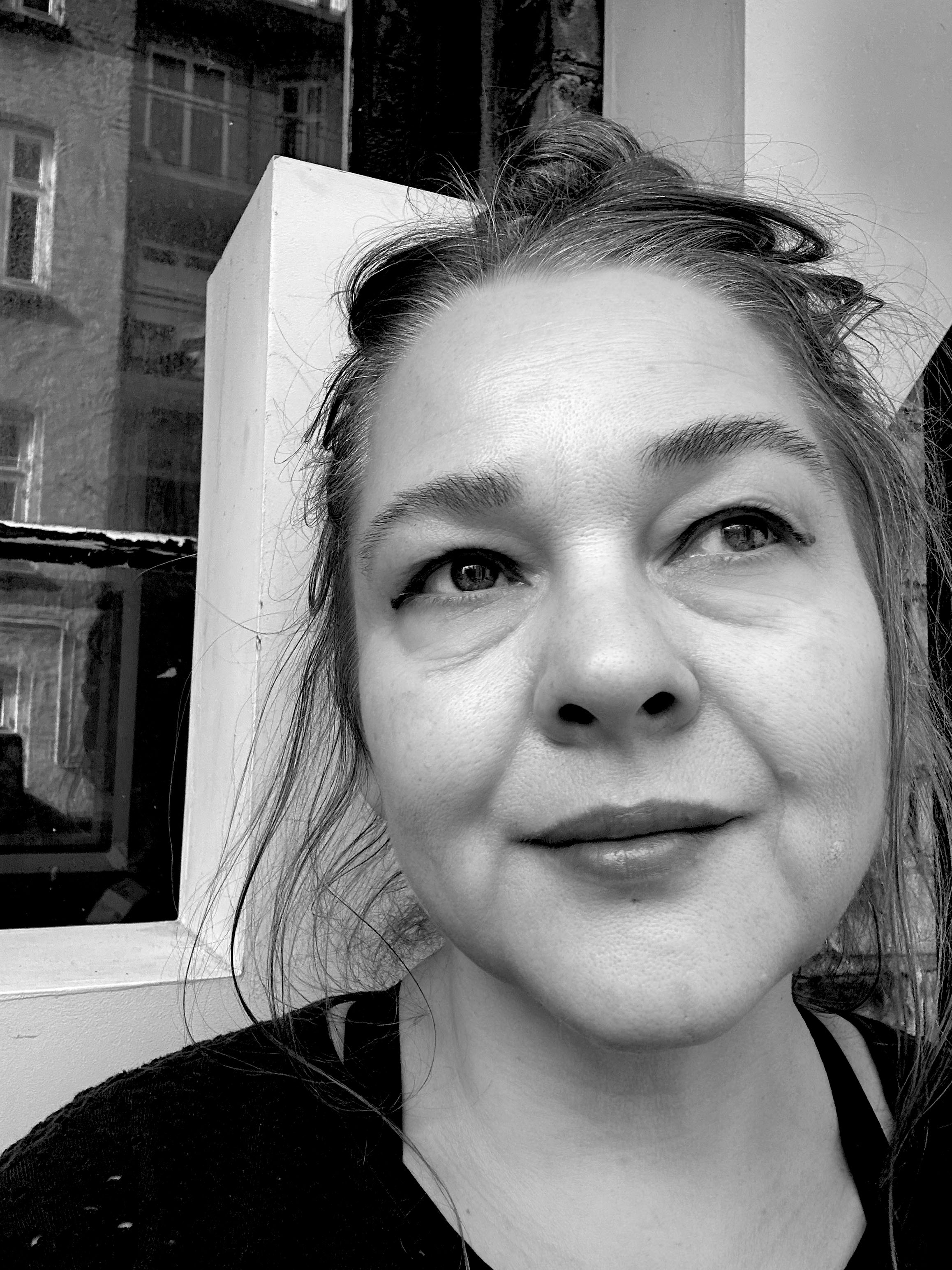
1. The Creator & The Creation
Mirage is a visual and sonic work created in collaboration with film photographer Christian Houge Laursen and sound artist Jacob Kirkegaard. Ying-Hsueh had picked out three different locations in Copenhagen, each of them with different sound qualities or acoustics, that she wanted to explore through musical improvisations. The overall intention was to explore architecture and space through sound, merging both into a visual manifestation.
"Mirage" LOGLINE
An immersive visual and sonic journey where Taiwanese-Danish percussionist Ying-Hsueh Chen channels the unique acoustics of Copenhagen’s architectural landmarks, transforming space and sound into a mesmerizing cinematic deep-listening experience.
Ying-Hsueh and I have worked together on several projects before Mirage. Rather than a specific inspiration it was more about making use of those previous experiences – as well as spending many hours exploring the actual visual material and the recorded sound after the filming sessions.
It was crucial to the whole concept that the final work was not just a selection of 5 or 10 different improvised songs. I had to figure out a way to tie everything together, both sound wise and visually. So I ended up recomposing some of the tracks, layering the different recordings either from different locations or from different takes of the same song. I wanted to push the songs beyond simple documentation, to expand or exaggerate the different moods of the raw recordings so to speak.
2. Theme: Peace and Innovation

Ying-Hsueh Chen performing in "Mirage"
Deep listening is about going beyond the surface of what’s being heard and connecting with all that happens in the acoustic environment. It is a practice developed by Pauline Oliveros in the 70s and it explores the difference between the involuntary nature of hearing and the conscious nature of listening.
Going to the cinema to watch films like Mirage, letting yourself be submerged in images and sound can have a meditative zen-like effect. It is not really entertainment, more like a physical experience that allows your mind and body to rest and find peace. I think these experiences can be rewarding moments in the very fast-paced reality we all are a part of.
Personally I tend to seek out dopamine rewarding activities like doomscrolling on insta, binge watching on Netflix – being constantly attracted to the digital reality of the internet as one big amusement park, that lures with filmic movement, amazing color and light, chains of hyperlinks and AI-perfection. But in reality the same dopamine rewards of happiness and peace, can actually be obtained through more meditative and slow activities, such as deep-listening, and probably with a more profound effect on one’s own wellbeing.
There were several challenges as there always is when making new works. I had to figure everything out through trial and error as there was no real clear plan or path when we started filming. This was quite frustrating to begin with, but I actually think that this process of frustration and failure is also a kind of necessary calibration. Through this, the vision gradually emerges.
3. Connection with Japan

I have always been attracted to both butoh and the traditional art of Japanese puppetry. When I was a student at the Royal Danish Academy of Fine Arts, we visited Japan and I was amazed with the Tokyo Harajuku culture which appealed to my love for costumes whilst at the same time working as a powerful visual opposition to societal norms and mainstream culture.
Likewise I have a deep love for the works of film artists like Shuji Terayama. I think it all resonates with my own approach to art- and filmmaking, although the influence is not so apparent in this specific work that I have made with Ying-Hsueh Chen, but never the less it has been one of many influential sources in the development of my own artistic language.
I would definitely revisit Shibuya and Watari Museum of Contemporary Art. I love the architecture of the building, and as I am more a visual artist than a film director it obviously appeals to me.
Another longtime dream of mine is to visit Aokigahara Forest at the foot of mount Fuji. I am fascinated by the many suicides connected to the place but would similarly love to experience the forest that supposedly will induce a very physical sense of isolation in you, due to the dense vegetation and the way the porous lava bedrock foundation absorbs sound.
I would dive into Japanese myth and folklore and finally I would indulge in all types of dishes from the Japanese cuisine.
4. Message
I don’t really want to dictate what people should feel or think, and this is true with all my work. Having said that, I always hope for some sort of resonance in the viewer, a connection on an intuitive or emotional level.
Politiken (one of Denmark’s largest newspapers) did a review of the film when it first premiered some months ago in Copenhagen, with the headline being ‘Hun får dit hjerteslag til at falde til ro’. This translates into something like ‘ she calms your heart’ and I think it’s very much true that Ying-Hsueh has that ability, she navigates within the polarities of the calm and the violent, and as the director and visual artist working with her, it is my job to both visualize and enhance this, to visually interpretate this energy and sensitivity - whilst adding a different layer to the music - and staying true to my own aesthetics at the same time.
I don’t think there’s anything to be scared of, making art is like an extension of oneself, a specific approach to the world, an alternative to the established ways of seeing things – and the more diversity, the more voices out there, the better.
As an artist you can always find other artists in different countries and you become part of a global community of likeminded people. Art is necessary, and creation is an inherent quality in all human beings.
日本語訳
1. クリエイターと作品について
『Mirage』は、映画写真家のクリスチャン・ハウゲ・ラウルセン、そしてサウンドアーティストのヤコブ・キルケゴールとのコラボレーションによって制作された、視覚的かつ音響的な作品です。Ying-Hsueh(インシュエ)はコペンハーゲンにある3つの異なる場所を選び出しました。それぞれが異なる音の特性や音響効果を持っており、彼女はそこでの音楽的即興を通じてそれらを探求したいと考えていました。全体の意図としては、音を通じて建築や空間を探求し、その両方を視覚的な表現へと融合させることでした。
「Mirage」ログライン(要約)
台湾系デンマーク人パーカッショニストYing-Hsueh Chenがコペンハーゲンの建築的ランドマークのユニークな音響を呼び覚まし、空間と音を魅惑的でシネマティックな「ディープ・リスニング体験」へと変貌させる、没入型の視覚的・音響的な旅。
Ying-Hsuehと私は、『Mirage』の前にいくつかのプロジェクトで一緒に仕事をしてきました。特定のインスピレーションというよりも、これまでの経験を活かすこと、そして撮影セッションの後に、実際の視覚素材や録音された音を何時間もかけて探求することから生まれました。
最終的な作品が単に5曲や10曲の即興曲の寄せ集めにならないようにすることが、全体のコンセプトにとって非常に重要でした。音響的にも視覚的にも、すべてを結びつける方法を見つけ出さなければなりませんでした。そのため、最終的にはいくつかのトラックを再構成し、異なる場所での録音や、同じ曲の異なるテイクを重ね合わせることにしました。私はこれらの楽曲を単なる記録の域を超えたものにし、言ってみれば、生録音の様々なムードを拡張させたり、強調したりしたかったのです。
2. テーマ:平和と革新
ディープ・リスニング(深く聴くこと)とは、聞こえてくるものの表面を超えて、音響環境で起こるすべてのことと繋がることを意味します。これは70年代にポーリン・オリヴェロスによって開発された実践であり、無意識的な「聞こえる(hearing)」という性質と、意識的な「聴く(listening)」という性質の違いを探求するものです。
映画館に行って『Mirage』のような映画を観ること、そして映像と音に身を委ねることは、瞑想的で禅のような効果をもたらすことがあります。それはエンターテインメントというよりも、心と体を休ませ、平和を見出すことを可能にする身体的な体験に近いものです。このような体験は、私たちが生きる非常にペースの速い現実において、価値のある瞬間になり得ると思います。
個人的には、Instagramでのドゥームスクローリング(ネガティブな情報を読み漁ること)やNetflixでの一気見など、ドーパミン報酬を得られる活動を求めがちです。映画のような動き、驚くべき色と光、ハイパーリンクの連鎖、そしてAIの完璧さで誘惑する、一つの巨大な遊園地としてのインターネットのデジタル現実に常に惹きつけられています。しかし現実には、幸福と平和という同じドーパミン報酬は、ディープ・リスニングのようなより瞑想的でゆっくりとした活動を通じて実際に得ることができ、おそらく自分自身のウェルビーイングに対してより深い効果をもたらすでしょう。
新しい作品を作るときには常にそうであるように、いくつかの課題がありました。撮影を始めた時には明確な計画や道筋がなかったため、試行錯誤を通じてすべてを解明しなければなりませんでした。最初はとてもフラストレーションが溜まりましたが、実はこのフラストレーションと失敗のプロセスは、ある種の必要な微調整(キャリブレーション)でもあると私は考えています。これを通じて、ビジョンが次第に浮かび上がってくるのです。
3. 日本との繋がり
私は常に、舞踏(Butoh)と日本の伝統的な人形浄瑠璃の両方に魅了されてきました。デンマーク王立美術院の学生だった頃に日本を訪れた際、東京の原宿文化に驚かされました。それは衣装への私の愛情に訴えかけると同時に、社会規範や主流文化に対する強力な視覚的反抗としても機能していました。
同様に、寺山修司のような映像作家の作品にも深い愛情を抱いています。Ying-Hsueh Chenと一緒に作ったこの特定の作品においてその影響はそれほど明確ではありませんが、すべてが私自身のアートや映画制作へのアプローチと共鳴していると思います。それでもやはり、私自身の芸術的言語を発展させる上での多くの影響源の一つであることに変わりはありません。
絶対に渋谷とワタリウム美術館を再訪したいです。あの建物の建築が大好きで、映画監督というより視覚芸術家(ビジュアルアーティスト)である私にとって、それは明らかに魅力的なものです。
私のもう一つの長年の夢は、富士山の麓にある青木ヶ原樹海を訪れることです。その場所に結びつく多くの自殺に強い関心を抱いていますが、同様に、密集した植生と多孔質の溶岩岩盤が音を吸収する仕組みによって、非常に物理的な孤立感を誘発するとされるその森を体験してみたいのです。
日本の神話や民間伝承に深く飛び込み、そして最後には、日本料理のあらゆる種類の料理を堪能したいですね。
4. メッセージ
人々が何を感じるべきか、何を考えるべきかを指示したくはありません。これは私のすべての作品に当てはまります。そうは言っても、私は常に、観客の中に何らかの共鳴、直感的あるいは感情的なレベルでの繋がりが生まれることを望んでいます。
数ヶ月前にコペンハーゲンでこの映画が初公開された際、Politiken(デンマーク最大の新聞の一つ)が映画のレビューを掲載しましたが、その見出しは「Hun får dit hjerteslag til at falde til ro」でした。これは「彼女はあなたの心を落ち着かせる」というような意味であり、Ying-Hsuehがその能力を持っていることは非常に真実だと思います。彼女は静けさと暴力性という両極の間を航行し、彼女と一緒に働く監督および視覚芸術家として、これを視覚化し強調すること、このエネルギーと感受性を視覚的に解釈すること、そして音楽に別のレイヤーを加えながら、同時に私自身の美学に忠実であり続けることが私の仕事なのです。
恐れるものは何もないと思います。アートを作ることは、自分自身の延長であり、世界への特定のアプローチであり、確立された見方に代わるものであり、多様性があればあるほど、より多くの声があればあるほど良いのです。
アーティストとして、あなたは常に他の国で別のアーティストを見つけることができ、志を同じくする人々のグローバルなコミュニティの一部になります。アートは必要不可欠であり、創造はすべての人間が本来持っている特質なのです。