 DIRECTOR'S VOICE
Shine
Jesse Weglein
"In the darkest of times, even the smallest light shines on."
「最も暗い時代であっても、どんなに小さな光でも輝き続ける」
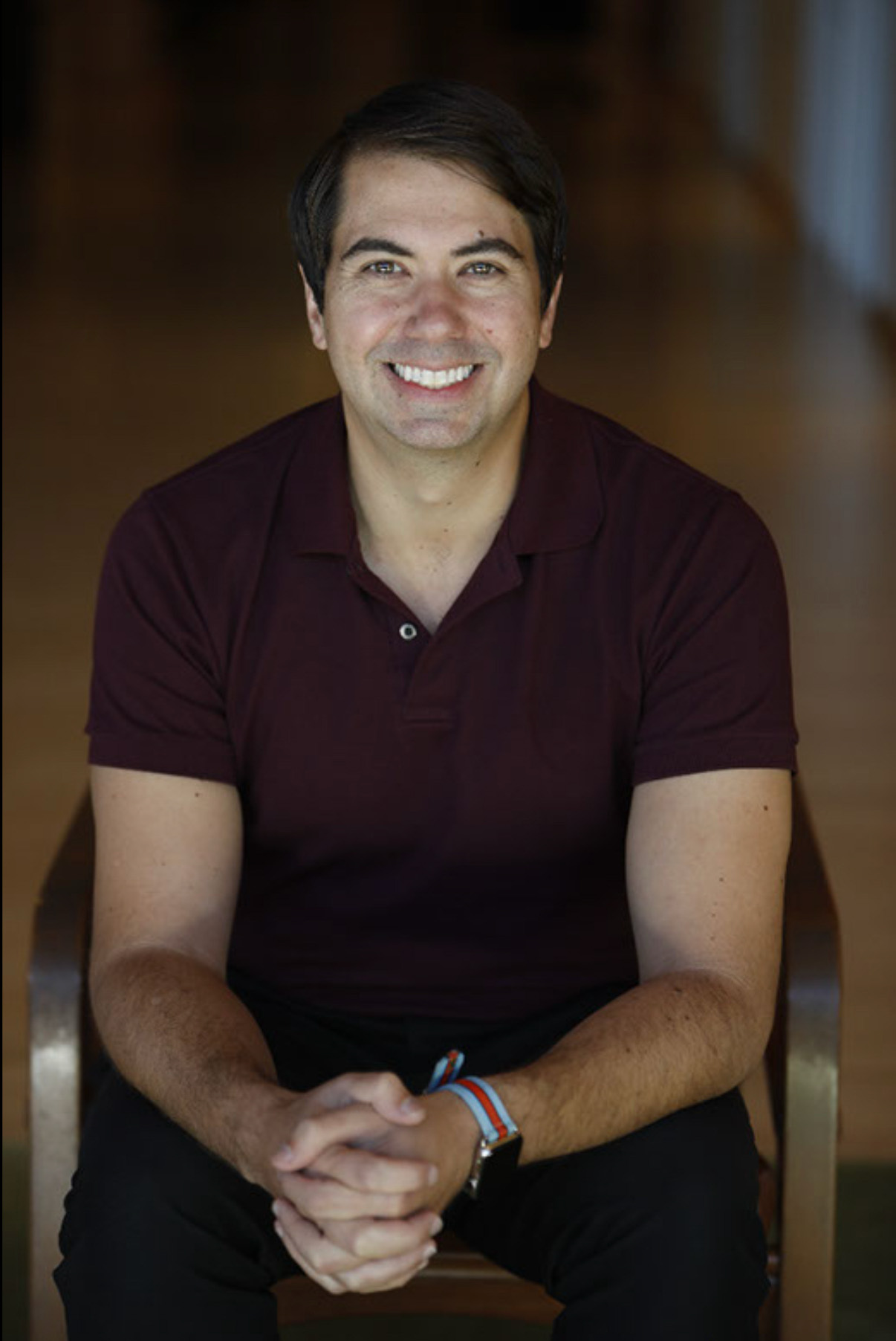
1. The Creator & The Creation
In the darkest of times, even the smallest light shines on.
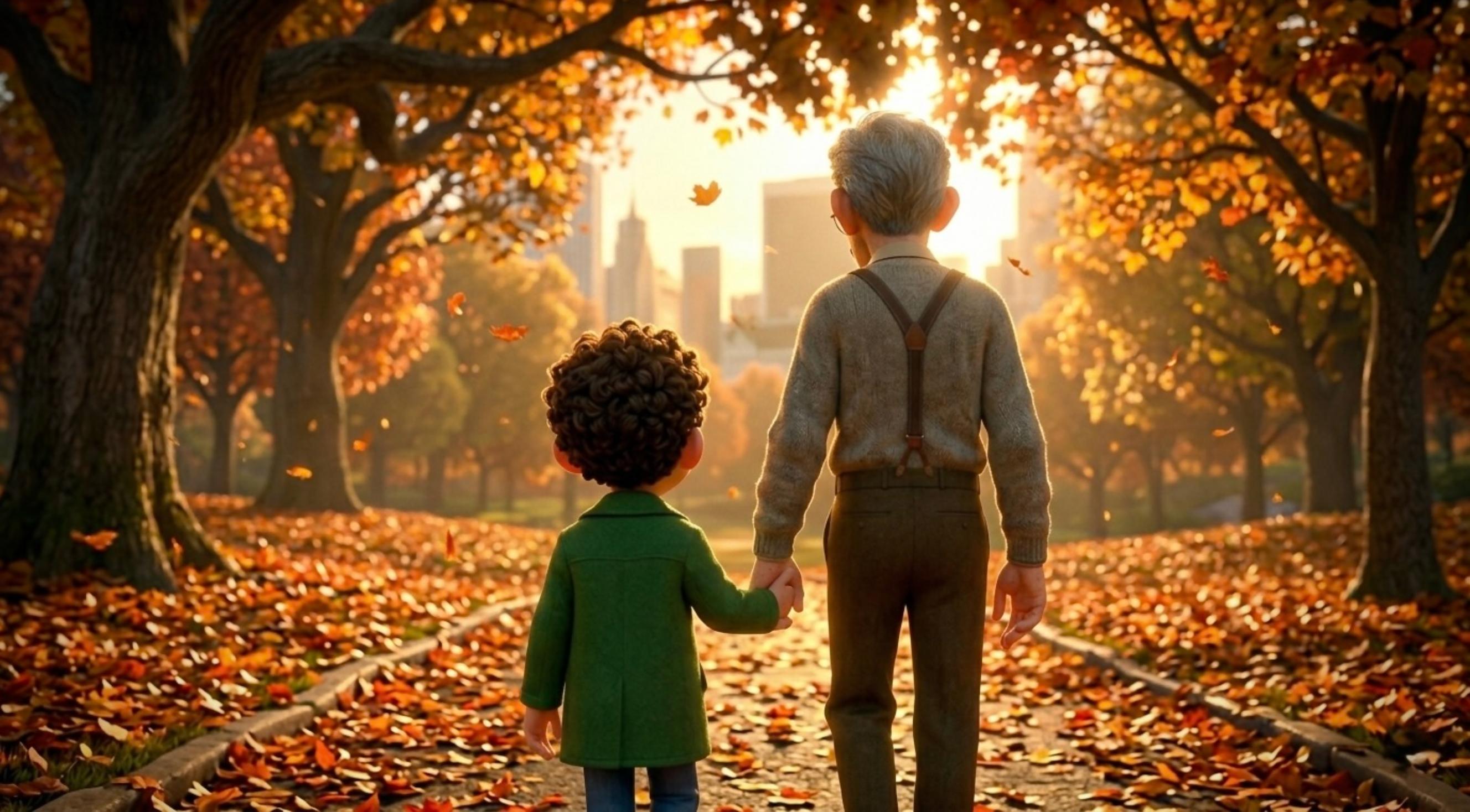
Shine is inspired by my father’s early life growing up in 1950s New York City, raised by a single mother. The film explores the themes of faith and sharp juxtapositions of the era, placing Manhattan’s golden age of prosperity in stark contrast with the gritty, lower-income neighborhoods of the surrounding boroughs.
2. Theme: Peace and Innovation
At the heart of Shine is the resilience of the human spirit and our capacity to overcome adversity. Our protagonist, Shayne, undergoes an emotional journey spanning the full spectrum of the human experience. Grappling with his father's sudden loss, Shayne questions the tragedy's meaning and discovers the enduring legacy left behind by those we cherish most. Ultimately, Shayne’s faith is restored through subtle reminders of his father in the natural world, bringing him and his mother the inner peace they need to embrace a new day and carry on in the legacy of their family.
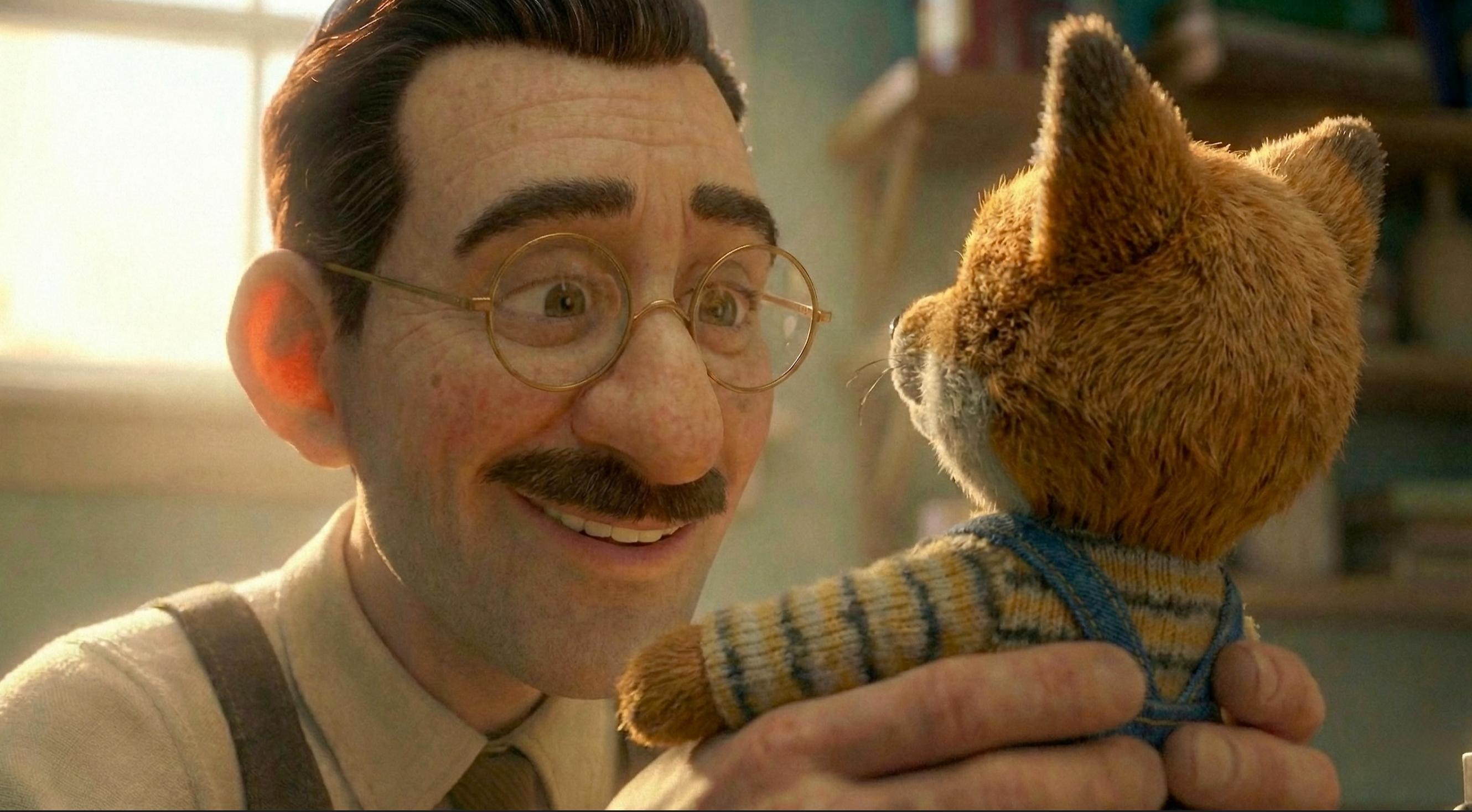
The biggest challenge in creating Shine was ensuring that as a director my story always came across authentically to the audience while using technology that inherently lacks an understanding of the complexities of human emotions. When I founded ILLUMINAI Studios, I knew I wanted to incorporate the strengths of AI into a pipeline that has been proven for decades in animation. That wasn't an easy task to complete.
The challenge is that we are on the cutting edge of using AI as a creative tool that enhances the artist's vision while maintaining the integrity of our story and art direction. Those two objectives are not always easily kept mutually exclusive. AI is fundamentally a tool that assimilates, averages, and reproduces input with amazing ability. As a lifelong artist and filmmaker, it was essential for me to create internal ethical technology guardrails that protect the art and artists by ensuring the content we created was truly original. To challenge the traditional animation studio system, it was essential for me to completely re-think every assumption to utilize technology for laborious tasks while maintaining the human hand in the creation process every step of the way.
3. Connection with Japan
My work is heavily influenced by the profound legacy of Japanese cinema and animation. From the breathtaking cinematography of Asakazu Nakai and the masterful direction of Akira Kurosawa, to the boundless imagination of Hayao Miyazaki and Katsuhiro Otomo, Japanese filmmaking has left an indelible mark on me as both a human being and an artist.
I was deeply honored to meet Miyazaki-san at Pixar during a screening of Ponyo. I will always remember his humility and quiet confidence as he described the artistic motivations behind his protagonists and antagonists. I channel his approach to story and character development every time I create my own films, recalling his wisdom with every pencil stroke and line of code.
My wife and producer, who was born and raised in Tokyo, brings her lifelong passion for anime and manga to our studio’s creative efforts every day. Having her as my partner further fuels my love for Japan, its culture, and its people. Knowing the bar has been set incredibly high by the masters who came before us, we truly hope to create entertainment that resonates deeply with audiences in Japan and around the world.
It would be a profound honor to be welcomed into the Japanese filmmaking community and to connect with audiences in Tokyo, a city our family truly considers like a second home. Japan holds a legendary place at the intersection of animation and technology, a creative duality our studio actively embraces while still honoring traditional cinematic filmmaking. To screen our film Shine at the JPIFF would represent a crowning milestone for our studio and a deeply meaningful moment in our lives.
4. Message
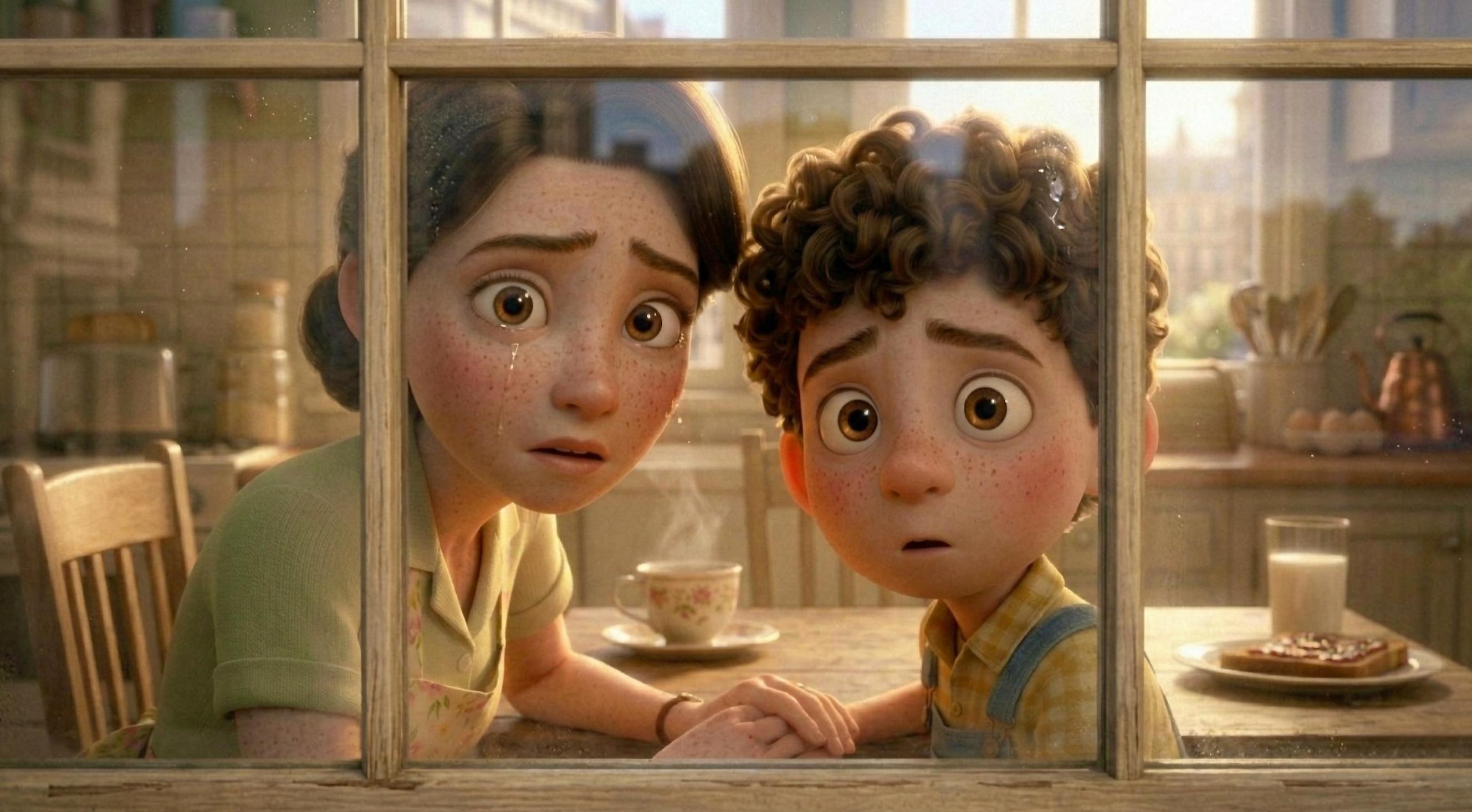
The two greatest audience reactions to a film are laughter and tears, the highest forms of human expression. I felt both profoundly while writing the script and shaping the animation. I see pieces of myself in these characters, sharing intimately in their joy and their pain. Ultimately, if audiences watch Shine and connect with something authentic, whether it moves them to tears, makes them miss a loved one, sparks a sense of gratitude, or inspires them to question an assumption, that would be the ultimate validation of our work.
I recently had the opportunity to ask Pete Docter and Frank Oz their thoughts on AI and Directing. They poignantly said that any tool a director has that enables them to authentically share "their" vision with audiences should be embraced. I think the challenge with AI is knowing when to use it and understanding what is gained and lost as a result. AI has a built-in tendency to create what it thinks you want without the ability to evaluate quality.
As a director or animator, maintaining that level of human artistic control over the AI is essential. The infinitely complex critical eye of an artist is one of the most valuable assets for filmmakers to use to balance out AI in their pipeline. That innate, instinctual gut feeling about what works or doesn't is what I believe will separate this new generation of artists who will go on to make amazing films that bring their vision to life.
AI is a polarizing topic in the entertainment industry. Knowing that so many major studios are currently exploring or testing AI provides broader contextual awareness regarding its acceptance. Time will tell if it becomes a preferred tool for animation. My aim is to create stories that move audiences in a way that compels them to evaluate the film on its merits of story and characters and less on how it was made.
Official Trailer
日本語訳
1. クリエイターと作品について
最も暗い時代であっても、どんなに小さな光でも輝き続ける。
『Shine』は、1950年代のニューヨークでシングルマザーに育てられた父の幼少期からインスピレーションを得ています。この映画は、信仰のテーマと当時の対照的な時代背景を探求し、マンハッタンの繁栄という黄金時代と、その周囲の労働者階級の荒涼とした地域を鮮明に対比させています。
2. テーマ:平和と革新
『Shine』の核心にあるのは、人間の精神の回復力と逆境を乗り越える力です。主人公のシェーンは、人間の経験の全領域にわたる感情的な旅を経験します。父親の突然の喪失に苦しみながら、シェーンはその悲劇の意味を問い、私たちが最も大切にしている人々が残した永遠の遺産を発見します。最終的に、自然界に潜む父親のささやかな名残を通じてシェーンの信仰は取り戻され、彼と彼の母親に、新しい一日を迎え、家族の遺産を受け継ぐために必要な内面の平和をもたらすのです。
『Shine』を制作する上での最大の課題は、人間の感情の複雑さを本質的に理解していないテクノロジーを使用しながらも、監督として自分の物語が常に真正な形で観客に伝わるようにすることでした。ILLUMINAI Studiosを設立した際、私はAIの強みを、アニメーションの世界で何十年も証明されてきたパイプラインに組み込みたいと考えていました。それは決して簡単な作業ではありませんでした。
私たちが直面している挑戦は、物語とアートディレクションの完全性を維持しながら、アーティストのビジョンを強化するクリエイティブなツールとしてAIを使用する最前線にいることです。これら2つの目的は、必ずしも簡単に両立できるものではありません。AIは基本的に、驚くべき能力で入力を同化し、平均化し、再現するツールです。生涯にわたるアーティストであり映画制作者として、私たちが作成するコンテンツが真にオリジナルであることを保証し、アートとアーティストを保護するための「内部的な倫理的テクノロジーのガードレール」を作成することが不可欠でした。伝統的なアニメーションスタジオのシステムに挑戦するために、制作プロセスのあらゆる段階で「人間の手」を維持しつつ、面倒な作業にテクノロジーを活用するというすべての前提を完全に再考する必要があったのです。
3. 日本との繋がり
私の作品は、日本映画とアニメーションの深い遺産から大きな影響を受けています。中井朝一の息を呑むような撮影術や黒澤明の見事な演出から、宮崎駿や大友克洋の無限の想像力に至るまで、日本の映画製作は一人の人間としてもアーティストとしても、私に消えることのない足跡を残しました。
私はピクサーで『崖の上のポニョ』の上映会があった際、宮崎監督にお会いするという大変な栄誉に恵まれました。彼が主人公と敵役の背後にある芸術的動機を説明したときの、彼の謙虚さと静かな自信を私は決して忘れません。私は自分の映画を作るたびに、彼の物語とキャラクター構築へのアプローチを呼び起こし、鉛筆を走らせ、コードを一行書くごとに彼の知恵を思い出しています。
東京で生まれ育った私の妻でありプロデューサーでもある彼女は、アニメやマンガに対する生涯の情熱を、私たちのスタジオのクリエイティブな取り組みに毎日注ぎ込んでくれています。彼女をパートナーとして迎えたことで、日本、その文化、そして人々に対する私の愛はさらに深まりました。先人である巨匠たちによって信じられないほど高いハードルが設定されていることを承知の上で、私たちは日本、そして世界中の観客の心に深く響くエンターテインメントを創り出したいと心から願っています。
日本の映画製作コミュニティに迎え入れられ、私たちの家族が第二の故郷と心から思っている東京で観客とつながることは、非常に大きな名誉です。日本はアニメーションとテクノロジーが交差する伝説的な場所であり、私たちのスタジオが伝統的な映画製作を尊重しつつも積極的に受け入れているクリエイティブな二面性を持つ場所でもあります。私たちの映画『Shine』をJPIFFで上映することは、私たちのスタジオにとって最高の金字塔であり、私たちの人生において深く意義のある瞬間となるでしょう。
4. メッセージ
映画に対する観客の最高の反応は「笑い」と「涙」であり、これらは人間の表現の最高形態です。私は脚本を書き、アニメーションを形作る過程で、その両方を深く感じました。私はこれらのキャラクターの中に自分自身の一部を見て、彼らの喜びや痛みを親密に共有しています。最終的に、観客が『Shine』を観て何か本物の感情と繋がり、それが彼らを涙させたり、愛する人を恋しく思わせたり、感謝の念を呼び起こしたり、あるいは何かを問い直すきっかけになったりするならば、それこそが私たちの作品に対する究極の証明となります。
最近、ピート・ドクターとフランク・オズにAIと監督業についての考えを尋ねる機会がありました。彼らは「監督が自分自身のビジョンを観客と真正に共有することを可能にするツールであれば、どんなものでも受け入れるべきだ」と的確に語ってくれました。AIにおける課題は、「いつそれを使用すべきかを知り、その結果として何が得られ、何が失われるかを理解すること」だと思います。AIには、品質を評価する能力がないまま「あなたが望んでいるだろう」と考えるものを作り出す傾向が組み込まれています。
監督やアニメーターとして、AIに対する人間の芸術的なコントロールレベルを維持することは不可欠です。アーティストの無限に複雑で批判的な眼差しは、映画制作者がパイプラインの中でAIとのバランスを取るために使用すべき、最も価値のある資産の1つです。何が機能し、何が機能しないかについての生得的で本能的な直感こそが、自分たちのビジョンに命を吹き込み、素晴らしい映画を作り上げるであろう新世代のアーティストたちを分けるものだと私は信じています。
エンターテインメント業界においてAIは二極化を招くトピックです。多くの主要スタジオが現在AIを探求またはテストしているという事実は、その受容に関するより広い文脈的な認識をもたらしています。それがアニメーションの好ましいツールになるかどうかは、時間が教えてくれるでしょう。私の目標は、それがどのように作られたかではなく、物語とキャラクターの価値そのもので映画を評価せざるを得ないような方法で、観客の心を動かす物語を創り出すことです。