 DIRECTOR'S VOICE
Pizza Guys vs Vampires
Daniel Cotroneo
"Sometimes the most serious thing you can do is make people laugh together."
「時に、最も真剣に取り組むべきことは、人々を共に笑わせることです」
1. The Creator & The Creation
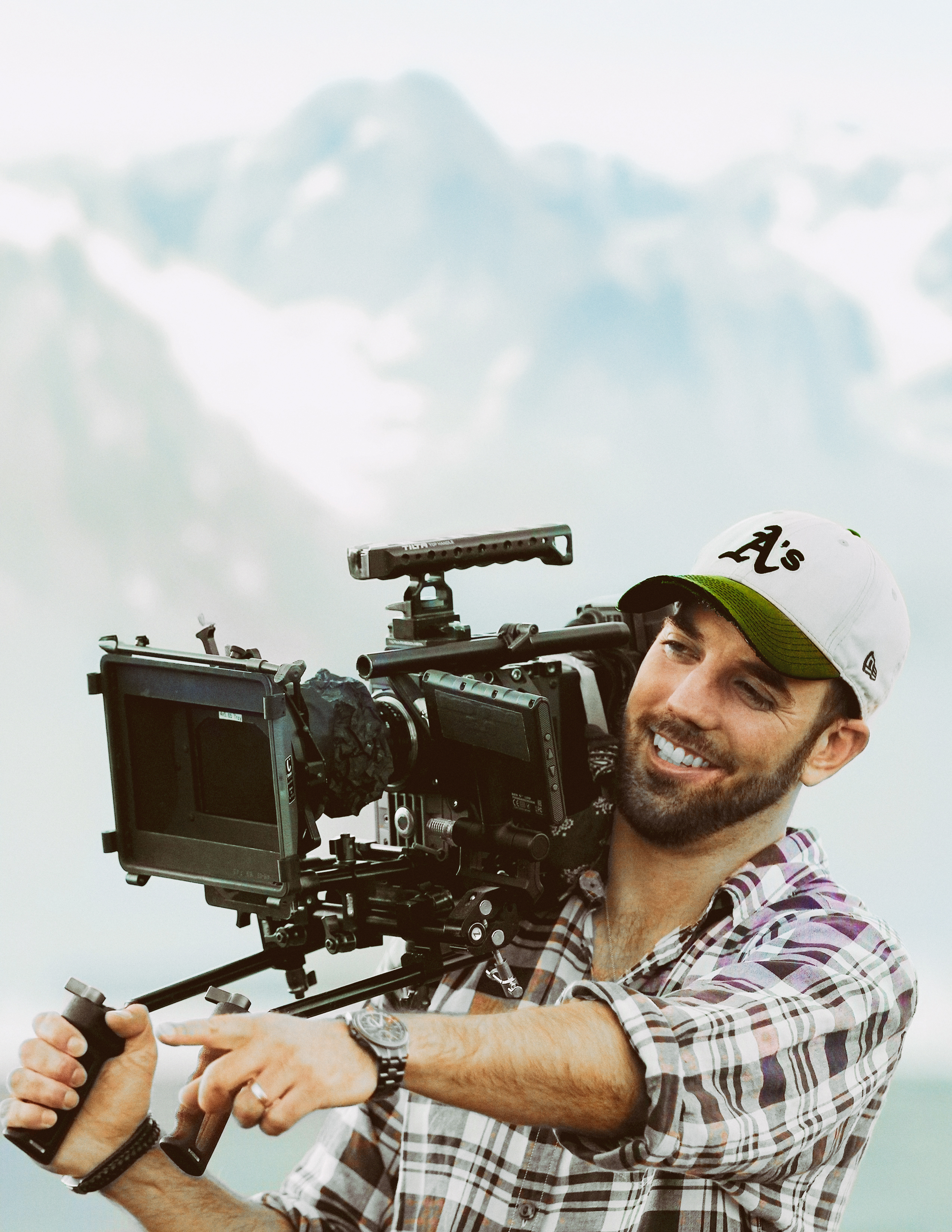
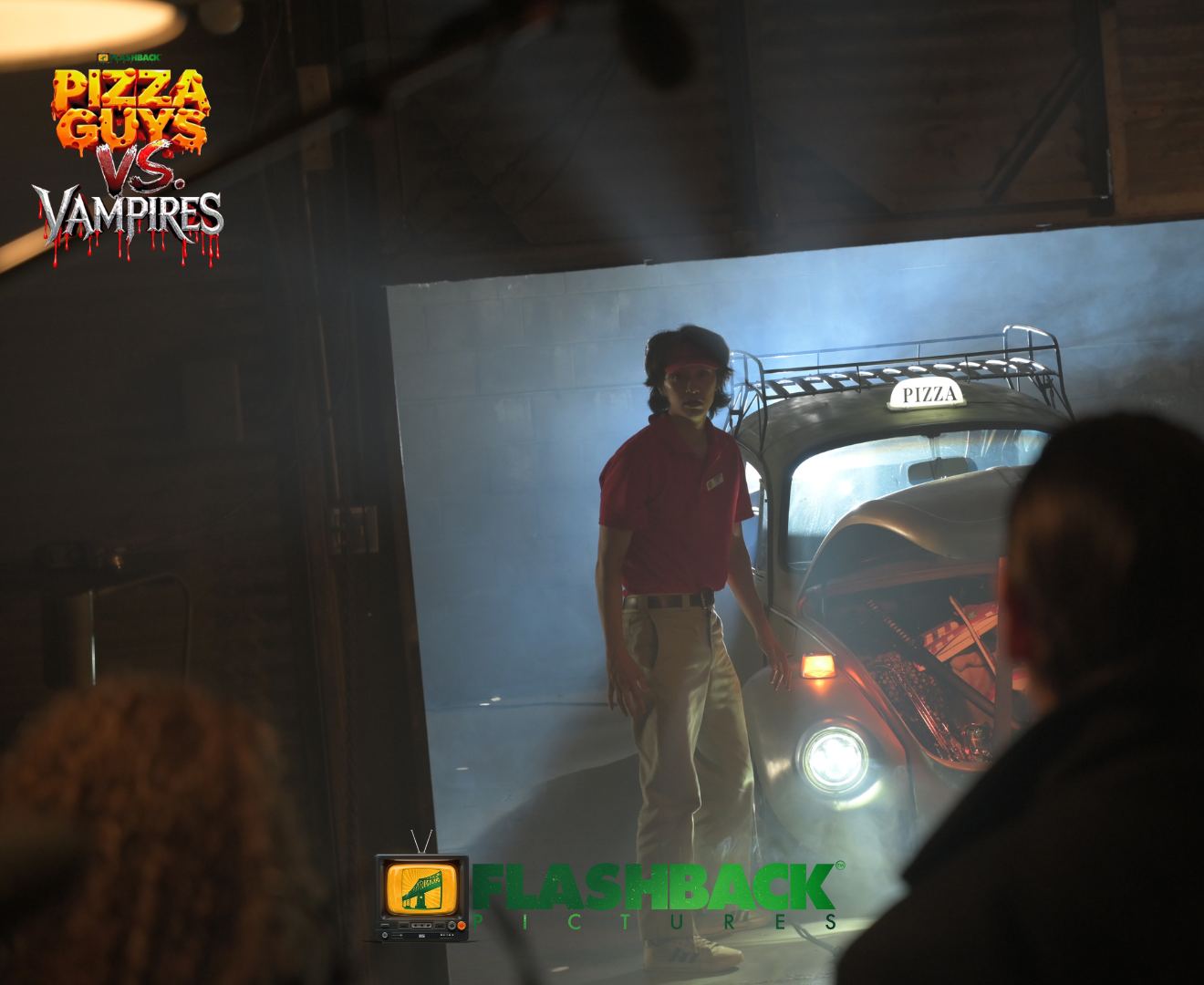
I'm Daniel Cotroneo, founder of Flashback Pictures — a two-time Emerging Cinematographer Award winner who spent two decades on sets like Django Unchained, Mad Men, and This Is Us before launching my own production company during Hollywood's biggest contraction in decades. Pizza Guys vs Vampires follows Kenji, a martial arts dreamer working his first night as a pizza delivery driver, who discovers his customers are vampires. Campy, 80s-inspired, surprisingly cinematic, and shot entirely in vertical format. It won Independent Vertical of the Year, Best Vertical Short at LA Vertical Fest, and Best Innovative Approach at the Apollo Awards — and earned exclusive coverage in Deadline.
"Pizza Guys vs Vampires" LOGLINE
Kenji, a martial arts dreamer working his first night as a pizza delivery driver, discovers his customers are vampires in this campy, 80s-inspired vertical comedy.
I watched how people actually consume content. They're holding their phones vertically, watching in short bursts, wanting stories that grab them immediately. We shot Pizza Guys vs Vampires in five days for $45K and launched three months after conception. Most of the industry dismissed vertical as social media fluff. We saw an undervalued format and moved fast — the same Moneyball mindset I applied to building a real estate portfolio before I ever produced a film. Identify what's undervalued. Move decisively. Create value.
2. Theme: Peace and Innovation
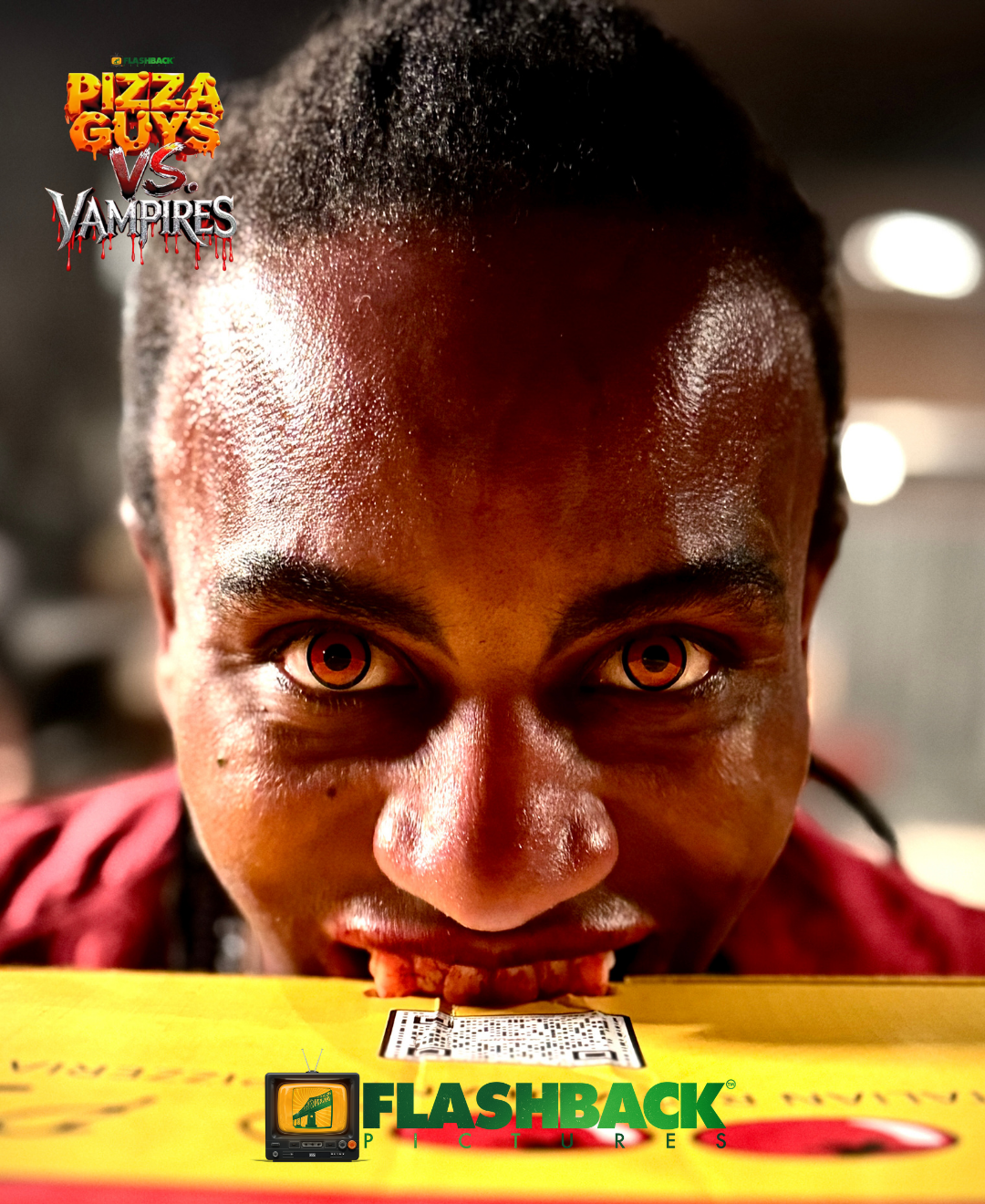
Comedy is one of the most direct paths to a shared human experience. When an audience laughs together, barriers come down. I grew up in Oakland, raised on revolutionary history, with a father who struggled with mental illness and ultimately took his own life. Filmmaking gave me control when everything felt chaotic. The joy we put into Pizza Guys vs Vampires — the ridiculousness, the garlic bread fights, the pizza delivery code of honor — that's intentional. Sometimes the most serious thing you can do is make people laugh together.
The biggest challenge had nothing to do with cameras or choreography — it was getting people to actually watch. In an insanely crowded marketplace, standing out as an independent filmmaker with a limited marketing budget is its own battle. We held live public premiere screenings in Santa Monica and Oakland, submitted to press outlets and landed exclusive coverage in Deadline and StageRunner, earned features in Medium, and entered the festival circuit — winning Independent Vertical of the Year at Vertical Drama Love, Best Vertical Short at LA Vertical Fest, and Best Innovative Approach at the Apollo Awards. Every one of those moves was deliberate. We weren't waiting to be discovered. We went out and made noise the same way we made the show — fast, scrappy, and with everything we had.
3. Connection with Japan
Kenji's character draws directly from Japanese action cinema — the lone warrior archetype, the underdog with hidden greatness. Our lead Toru Uchikado (Heroes Reborn, Castlevania) brought that sensibility to the role in ways that deepened the whole show. I've always been drawn to the precision and intentionality of Japanese filmmaking — the idea that every frame carries weight. That's something we chased even on a $45K budget.
The independent filmmaking community in Japan has always punched above its weight. I'd want to sit with those filmmakers — the ones making bold work outside the studio system — and trade war stories. And honestly, I'd want to eat everything. Food and filmmaking are both about bringing people together around something worth savoring.
4. Message
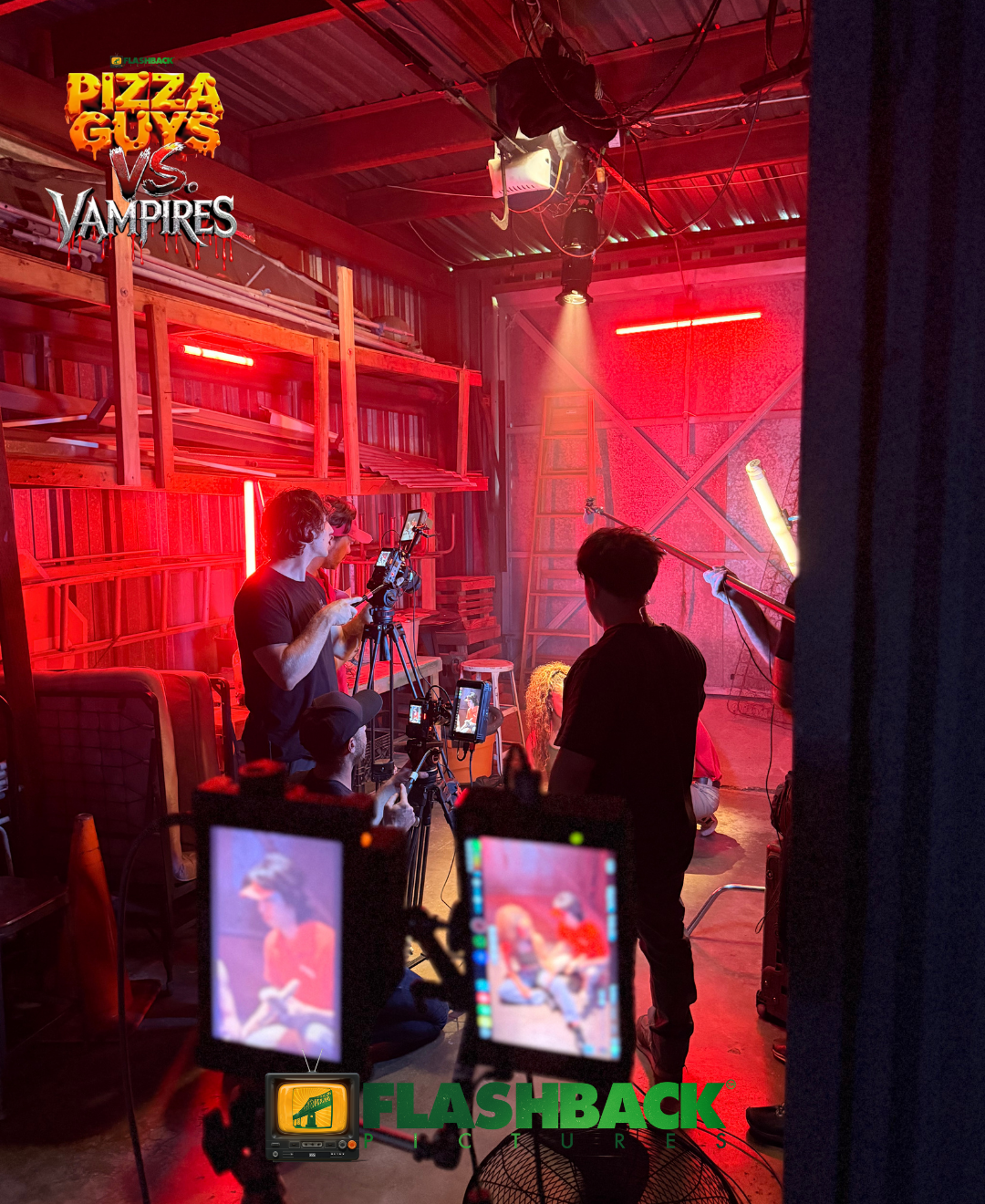
Behind The Scenes - Shooting vertical cinema
That the next big thing doesn't always arrive looking the way you expected. Vertical storytelling is just getting started, and the filmmakers who figure it out now are going to define what it becomes. We proved you don't need Hollywood-sized budgets to move fast, pay people fairly, and deliver something audiences actually want to watch.
I had an anxiety breakdown before I committed to this path. My wife and I borrowed against our home equity. The phone stopped ringing and I had to decide what I was going to do about it. What I'd tell any filmmaker fighting that same battle: your skillset and your talent are not the problem. The system is broken — so build around it. Done is better than perfect. Make the thing. The proof of your talent is in doing something, not wanting to.
日本語訳
1. クリエイターと作品について
私の名前はダニエル・コトロネオ、Flashback Picturesの創設者です。新進撮影監督賞を2度受賞し、『ジャンゴ 繋がれざる者』『マッドメン』『THIS IS US 36歳、これから』などの撮影現場で20年間を過ごした後、ハリウッドが過去数十年で最大の縮小期にある中、自身の制作会社を立ち上げました。
『Pizza Guys vs Vampires』は、武術家を夢見るケンジがピザ配達員としての初出勤の夜、客がヴァンパイアであることに気づくという物語です。80年代にインスパイアされたキャンプ的(大げさでユーモラス)な作品で、驚くほど映画的であり、全編「縦型フォーマット」で撮影されました。Independent Vertical of the Yearや、LA Vertical FestでのBest Vertical Short、Apollo AwardsでのBest Innovative Approachを受賞し、米メディアDeadlineでも独占報道されました。
人々が実際にどのようにコンテンツを消費しているかを観察したのがきっかけです。彼らはスマホを縦に持ち、短い時間で視聴し、即座に心を掴む物語を求めています。私たちは『Pizza Guys vs Vampires』を5日間、4万5000ドルの予算で撮影し、構想から3ヶ月で公開しました。
業界のほとんどは、縦型動画をSNSの暇つぶしとして軽視していました。しかし私たちは、それが「過小評価されているフォーマット」であると見抜き、迅速に行動しました。これは私が映画をプロデュースする前に、不動産ポートフォリオを構築した際に用いたのと同じ「マネーボール」の思考法です。過小評価されているものを見極める。決断力を持って動く。そして価値を生み出すのです。
2. テーマ:平和と革新
コメディは、人々が共通の人間体験に至る最も直接的な道の一つです。観客が共に笑う時、心の壁は取り払われます。私はオークランドで育ち、革命の歴史に触れながら育ちました。私の父は精神疾患と闘い、最終的には自ら命を絶ちました。すべてが混沌としていると感じられた時、映画製作は私にコントロールする力を与えてくれました。
私たちが『Pizza Guys vs Vampires』に込めた喜び—その馬鹿馬鹿しさ、ガーリックブレッドでの戦い、ピザ配達員の掟—それらはすべて意図的なものです。時に、最も真剣に取り組むべきことは、人々を共に笑わせることなのです。
最大の課題はカメラや振り付けとは関係なく、「実際に人々に観てもらうこと」でした。狂気的なほど混雑した市場の中で、限られたマーケティング予算しか持たないインディペンデントの映画制作者として際立つことは、それ自体が一つの戦いです。
私たちはサンタモニカとオークランドで公開プレミア上映を行い、プレスに売り込んでDeadlineやStageRunnerで独占記事を獲得し、Mediumでも特集され、映画祭のサーキットに参入しました。そして数々の賞を勝ち取りました。これらの行動はすべて意図的なものでした。私たちは誰かに発見されるのを待っていたわけではありません。作品を作った時と同じように—迅速に、泥臭く、持てるすべてを懸けて—自ら打って出て、世間を騒がせたのです。
3. 日本との繋がり
主人公・ケンジのキャラクターは、日本のアクション映画、つまり孤独な戦士の原型や、隠れた偉大さを持つ負け犬(アンダードッグ)から直接インスピレーションを得ています。主演の内門徹(『HEROES REBORN/ヒーローズ・リボーン』『悪魔城ドラキュラ』)は、その感性を役に持ち込み、作品全体に深みを与えてくれました。
私は常に、日本の映画製作における正確さと意図性—「すべてのフレームが意味と重みを持つ」という考え方—に惹かれてきました。それは、4万5000ドルという予算であっても私たちが追求したものです。
日本のインディペンデント映画界は、常に実力以上の凄まじい成果を上げてきました。私はそういった映画制作者たち—スタジオのシステムの外で大胆な作品を作っている人々—と席を共にし、お互いの苦労話(武勇伝)を交わしたいですね。そして正直なところ、あらゆるものを食べ尽くしたいです。食と映画製作はどちらも、「味わう価値のあるものの周りに人々を集める」という点で共通していますから。
4. メッセージ
「次の大きな波は、必ずしもあなたが期待した姿でやってくるとは限らない」ということを感じてほしいです。縦型ストーリーテリングはまだ始まったばかりであり、今それを理解し攻略した映画制作者たちが、今後のその形を定義していくことになるでしょう。私たちは、迅速に動き、スタッフに公正な報酬を支払い、観客が実際に観たいと思うものを届けるために、ハリウッド規模の予算は必要ないということを証明しました。
この道に進む決心をする前、私は不安で押しつぶされそうでした。妻と私は自宅の資産価値を担保に資金を借りました。仕事の電話が鳴らなくなり、私はそれに対して自分がどう行動するかを決断しなければなりませんでした。
同じように戦っている映画制作者たちに伝えたいのは、「あなたのスキルや才能が問題なのではない」ということです。システムが壊れているのです—だから、その周りに自分たちの道を築いてください。完璧を目指すより、まず終わらせろ(Done is better than perfect)。作品を作ってください。あなたの才能の証明は、「何かをしたいと望むこと」ではなく、「実際に行動すること」の中にあります。